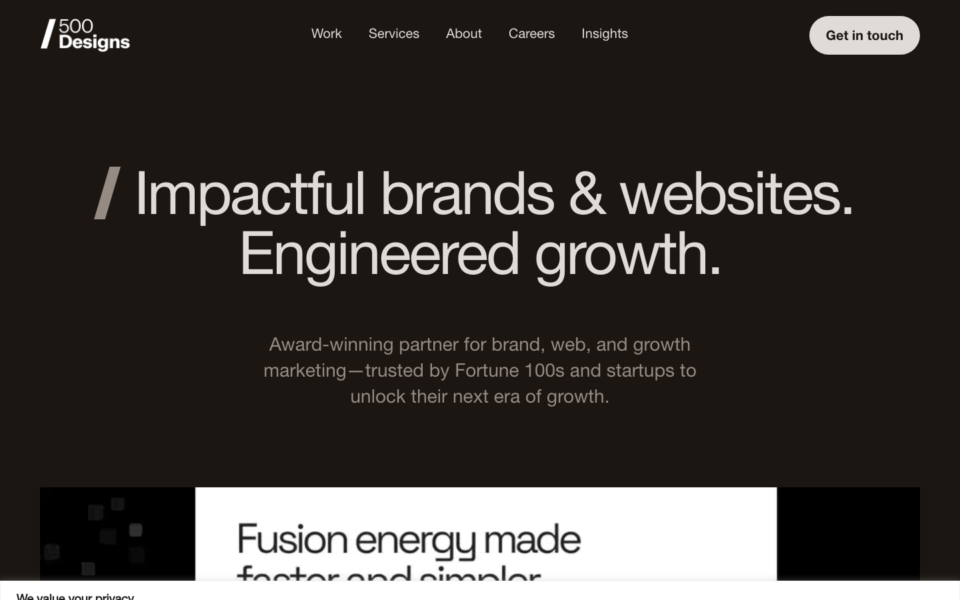
500 Designs
Award-winning brand, web and growth partner for Fortune 100s and startups alike
View profile
Visit website ↗
Brand identity, positioning, and creative direction. Read the full guide · 1 min ↓
Award-winning brand, web and growth partner for Fortune 100s and startups alike

Award-winning creative studio blending story, art and technology on the web
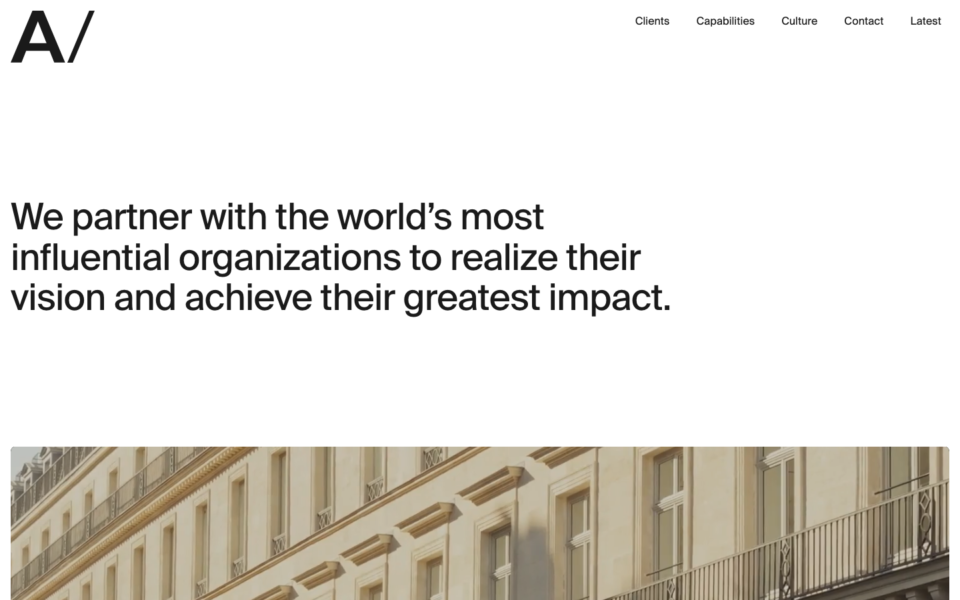
Brand, experience and technology transformation for influential organisations
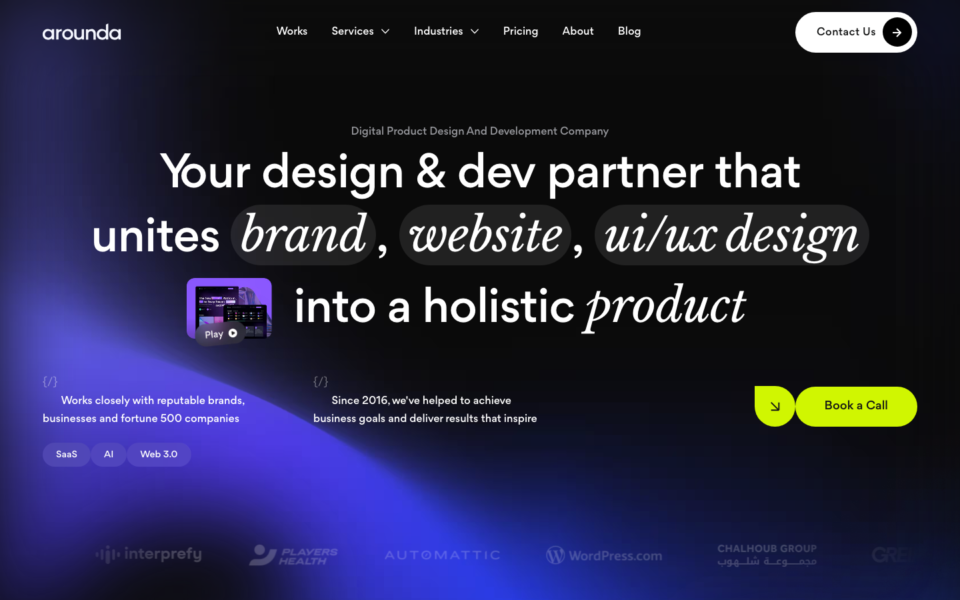
Product design and development partner uniting brand, website and UI/UX
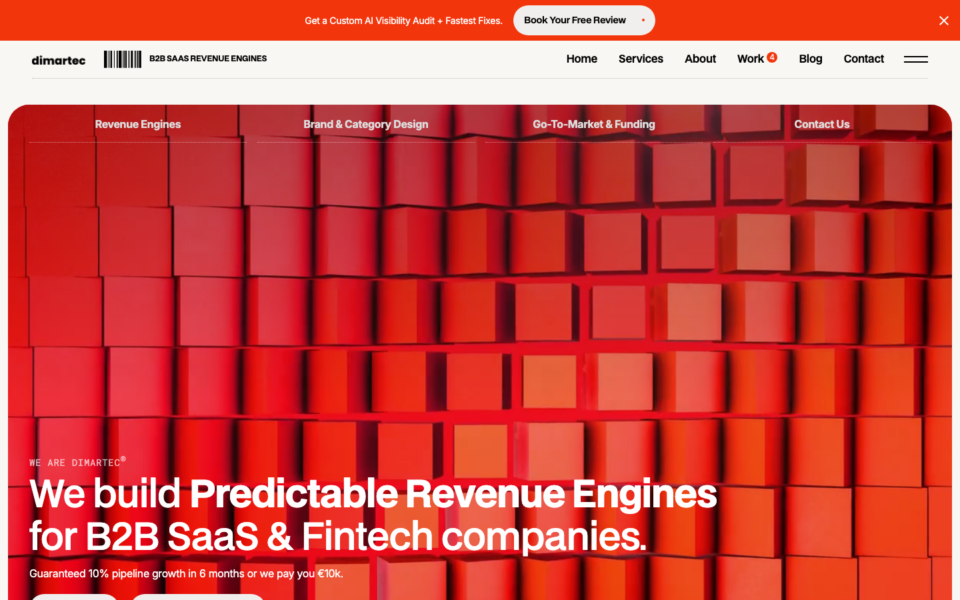
Revenue engines for B2B SaaS: paid media, CRO, landing pages and AI search visibility
Showing all 5 agencies
Branding gets dismissed as a logo exercise right up until a company outgrows its story. The pattern is familiar: the product has moved upmarket, the sales team is fighting the website in every call, and the pitch that worked at seed stage now makes an enterprise buyer hesitate.
The agencies below sell different things under the same word. Some are strategy-first practices that run research, positioning and messaging before anyone opens a design file — and will tell you plainly that logos come last. Some are craft studios whose value is a visual system distinctive enough to be remembered in a category where everything looks the same. The best of them build a system your team can actually run afterwards, rather than a 90-page PDF nobody opens.
Repositioning is worth the disruption when your capabilities have outgrown your messaging, when you are moving upmarket to enterprise buyers, when a merger has left you with two identities, or when your own sales team no longer uses your website to sell. It is the wrong call when the underlying problem is a product gap or a distribution problem — a new identity will not fix either.
A complete engagement covers research and a brand audit, positioning and messaging architecture, naming if relevant, logo and visual identity, a design system with typography, colour and iconography, and guidelines your team can apply without going back to the agency. Anything that stops at a logo and a colour palette is a visual refresh, not a brand project.
A refresh keeps the existing positioning and equity and modernises the expression — typography, palette, layout system, photography. A rebrand revisits the strategy underneath: who you are for, what you stand for, and what you are called. Refreshes typically run weeks; rebrands run months and touch every asset the company owns.
Through downstream indicators rather than a single number: shorter sales cycles, higher win rates against named competitors, better inbound lead quality, improved recruiting response, and lower cost per acquisition as recognition reduces the touchpoints needed to convert. Agree which of these you will track before the project starts, and capture a baseline.
Rarely before product-market fit, when positioning is still moving weekly. The highest-return moment is usually around Series A, when the scrappy identity starts to strain under a growing sales team, a real marketing function and investor expectations — early enough that you are not rebranding a large asset library, late enough that the positioning will hold.